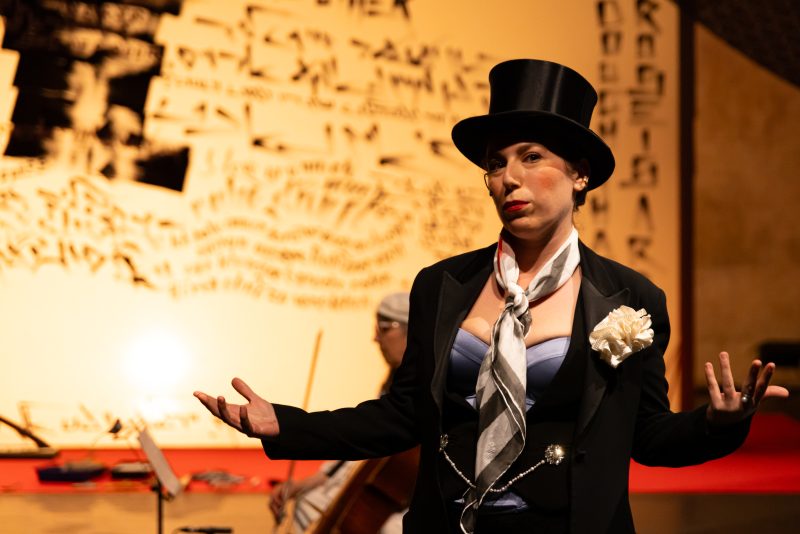
Ariel Efraim Ashbel and friends

for (Regina, Rosa, Ruth and Rachel)

5786/2026

“Tonight I will also attempt to puzzle out what, in essence, is poetry. To me it seems that it is a magical transporter through time and space because it manages to contain the present, the past, even the future. […] Often the poet will take faded words, lying forgotten and cobwebbed. He shakes off their dust, collected over generations, and marries them off to new images. He conducts them to a new breyshis, a second genesis.”
(Rokhl Korn)

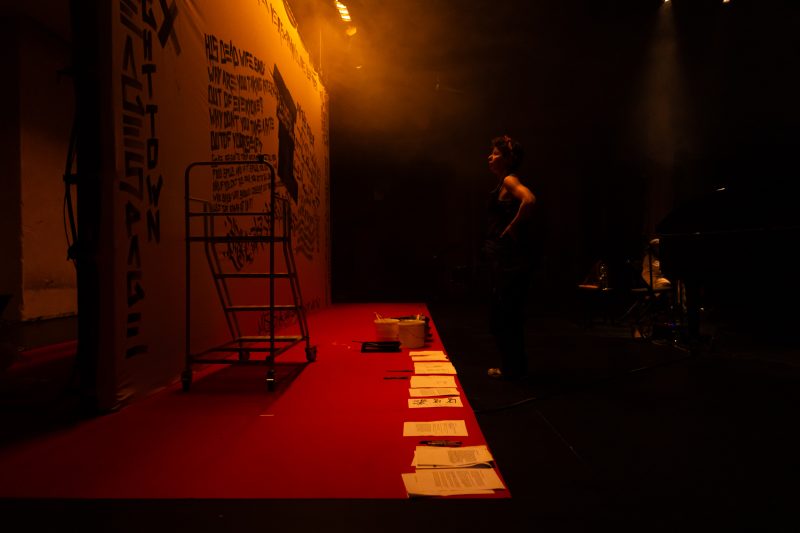
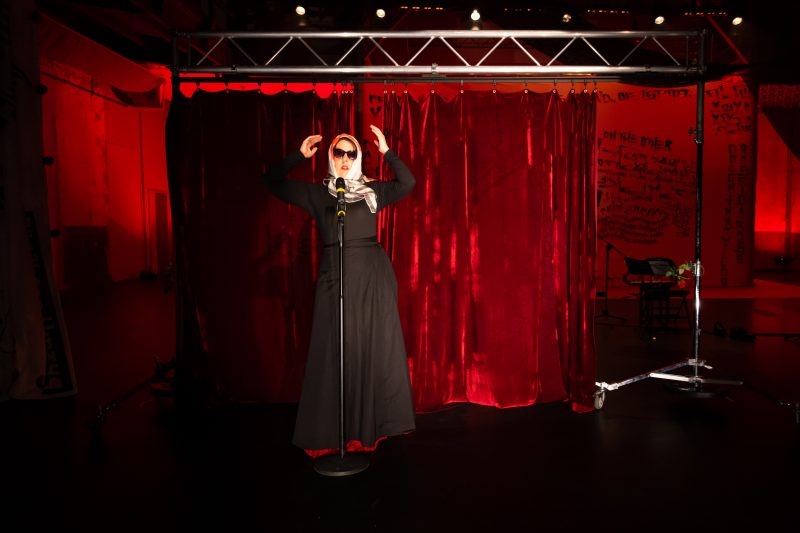
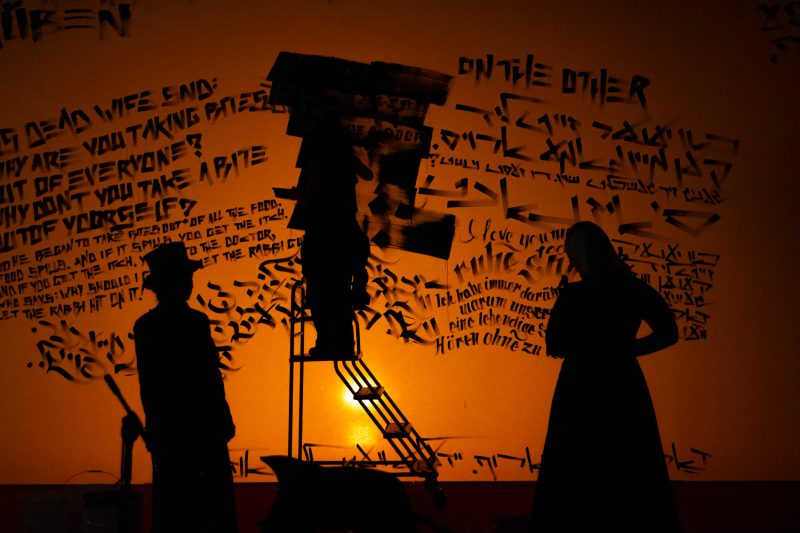
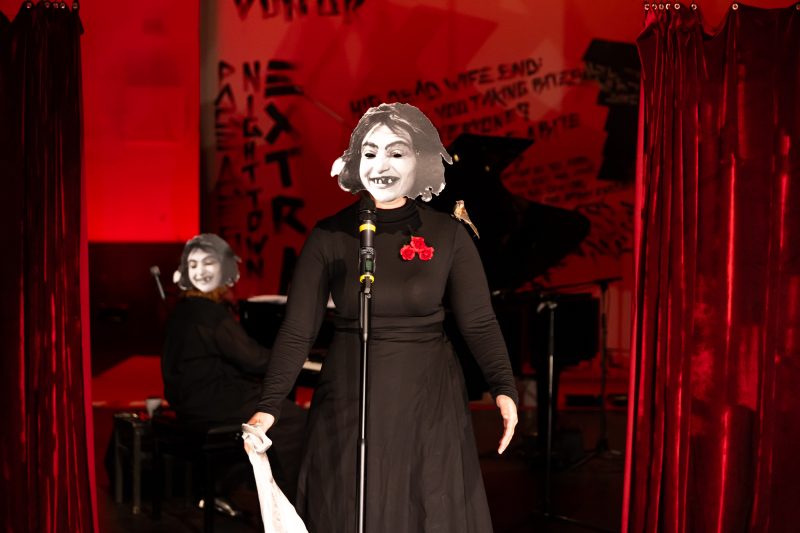
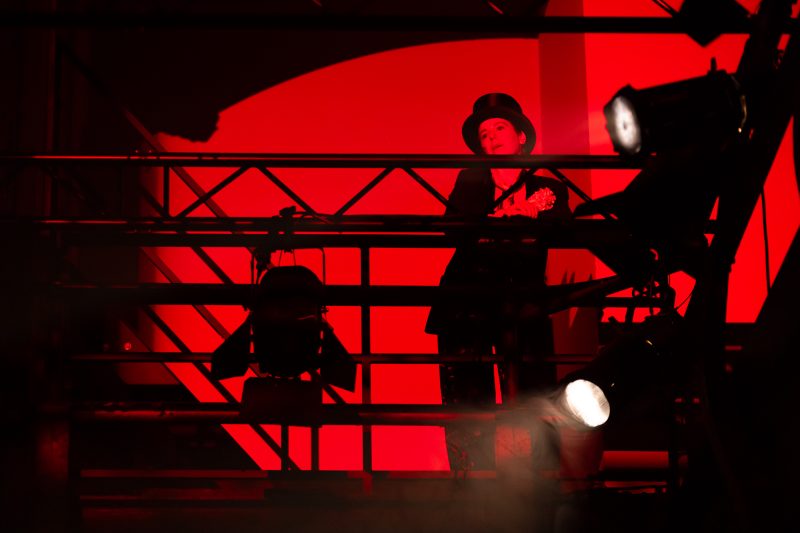
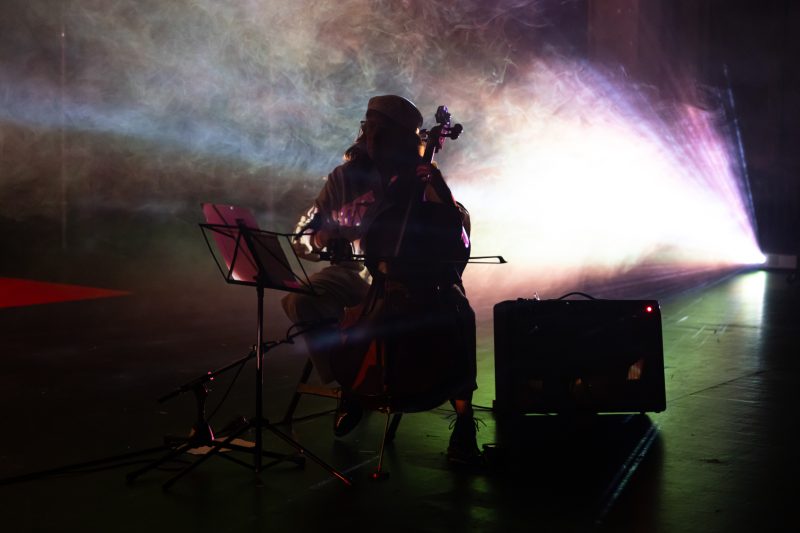
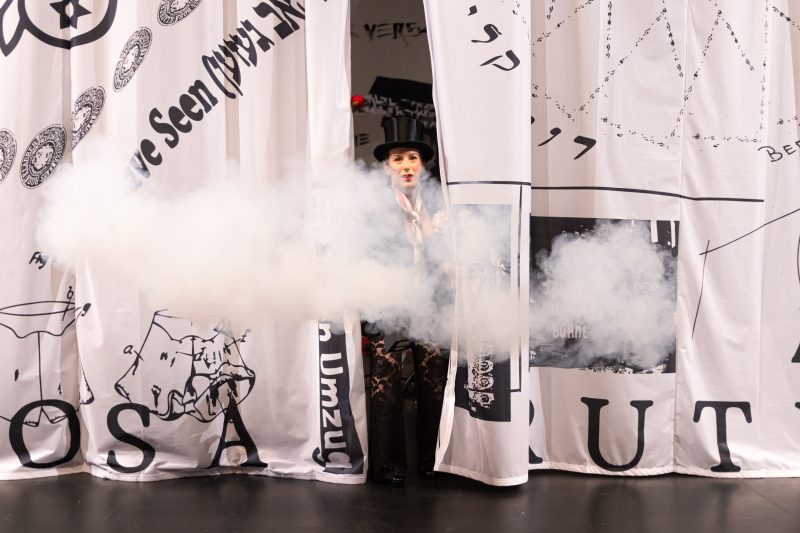
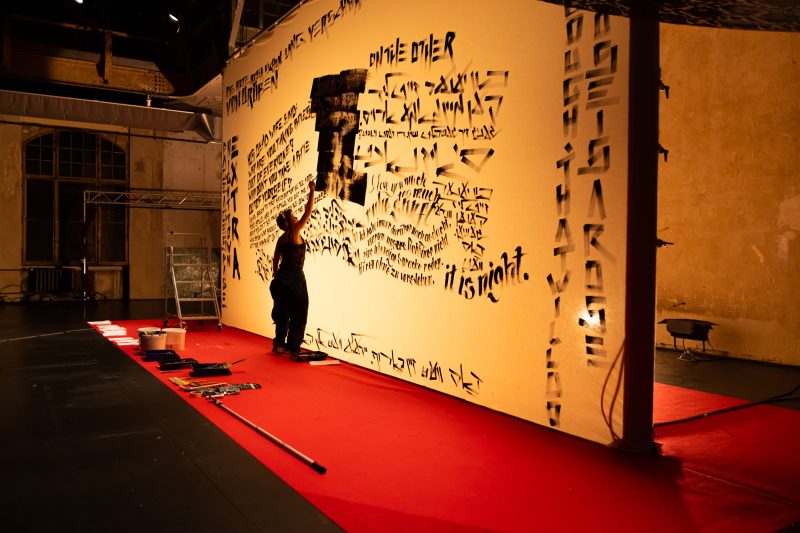
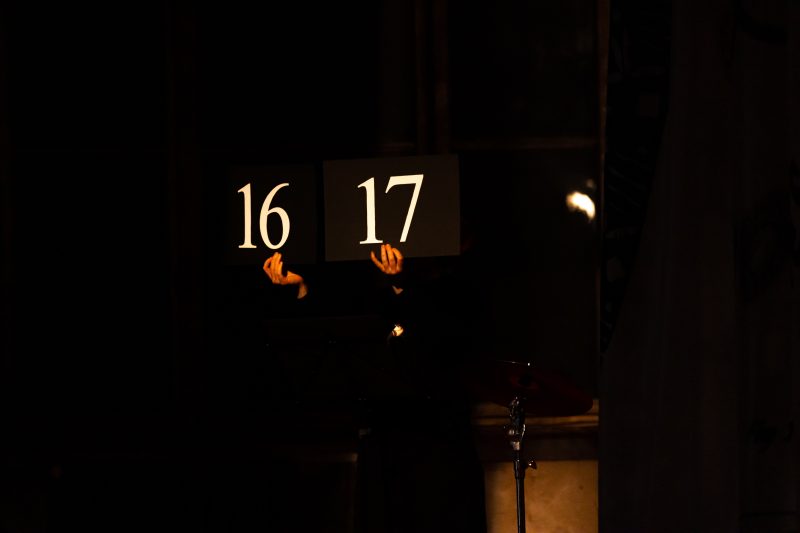
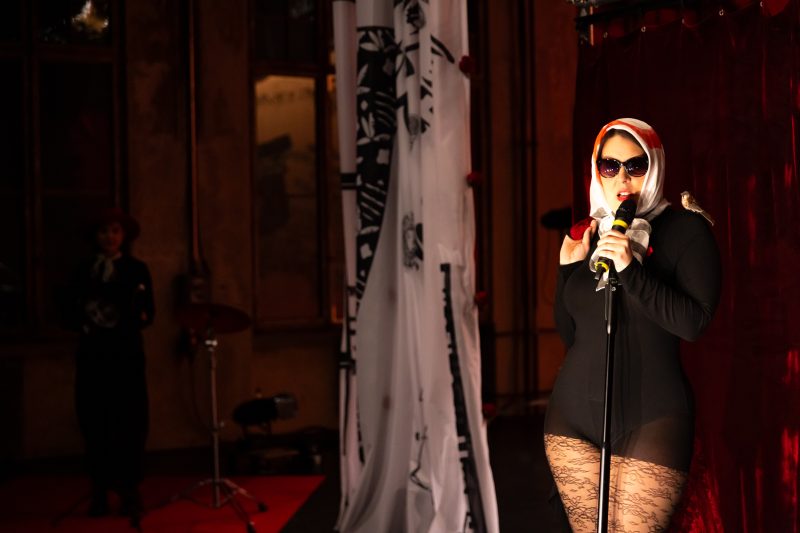
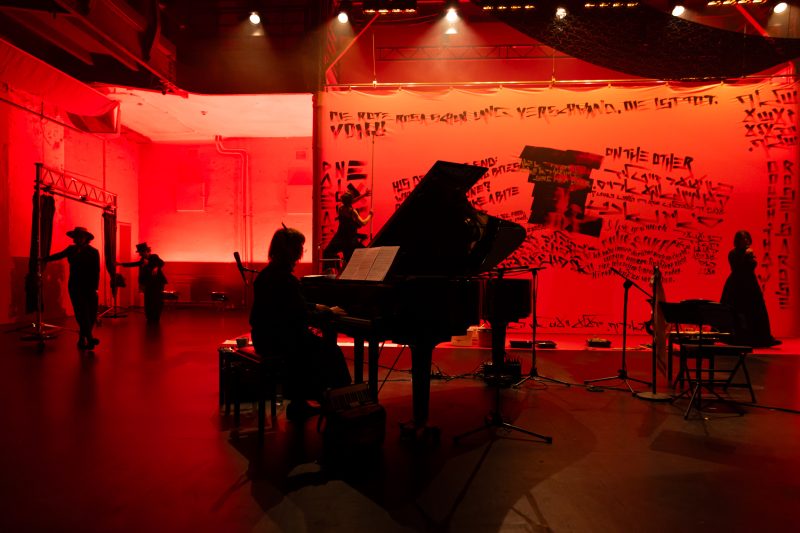
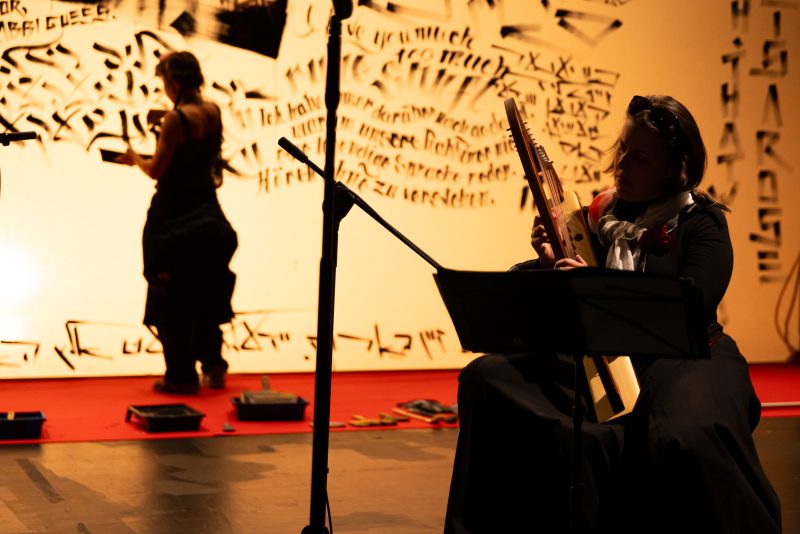
for (Regina, Rosa, Ruth & Rachel) is a musical and scenic collage created by five artists: composer Maya Dunietz, singer Jessica Gadani, multimedia artist Rachel Libeskind and cellist Lori Goldston. Visual artist Ella Ponizovsky Bergelson will also be creating a large-scale graphic work in the Festsaal of Sophiensæle.

Between 1870 and the early 1920s, nearly three million Jews left the Russian settlement zone. Many came to Germany and to Berlin’s Scheunenviertel, which is where Sophiensæle is located today and where a vibrant Jewish center emerged. Drawing on sources from early 20th-century Yiddish theater culture in Berlin, the ensemble presents new compositions by Maya Dunietz as well as reinterpretations of unearthed texts and songs. Five performers translate this diversity into a tapestry of voice, text and sound: experimental sound meets opera singing, accompanied by harp, piano, cello and accordion. Archival material and accompanying projections are translated into a spatial, sensory experience, bringing a largely erased urban culture back to life.

Four names shape the narrative: Regina, Rosa, Ruth and Rachel. Research into Jewish women in Berlin-Mitte soon transcended geographical and temporal boundaries, broadening the scope of reference points. Regina refers to Regina Jonas (1902–1944), the world’s first female rabbi, who was born in the Scheunenviertel. Rosa refers to Rosa Luxemburg, who spoke at Sophiensæle in the 1910s and 1920s, as well as to the Munich entrepreneur Rosa Klauber (1820–1901). Ruth recalls Ruth Klinger, an actress and co-founder of the experimental cabaret Kaftan in the 1930s. Rachel connects several figures: Rahel Varnhagen (1771–1833), an icon of Berlin salon culture; the Yiddish poet Rokhl Korn (1898–1982), Rahel Hirsch (1870–1953), the first female professor of medicine in Prussia; and multimedia artist Rachel Libeskind herself.

The biographies of these women raise questions about feminist agency, solidarity in times of crisis and artistic resilience. The composition builds on this and sees itself as a glimpse into the past, present and future of Yiddish culture in Berlin.

DATES
2026
May 8th -10th Sophiensaele Berlin 

Artistic direction: Ariel Efraim Ashbel & Rachel Libeskind
Performance: Maya Dunietz, Jessica Gadani, Lori Goldston, Rachel Libeskind
Musical direction: Maya Dunietz
Live painting: Ella Ponizovsky Bergelson
Sound design: Neda Sanai
Light design: Joseph Wegmann
costumes: Sandra Fink
Stage assistant: Shir Shoval-Simhoni
Production assistant: Dan Immanuel Roth
Dramaturgy and directing assistant: Katharina Joy Book
Creative producer: Anna von Glasenapp / high expectations